The Last Castle. Polish Castle-ness: from Wawel to Stobnica
The Palace Under the Tin Roof, Royal Castle in Warsaw
(Entrance from the side of the W-Z motorway)
March 27th – June 28th, 2026
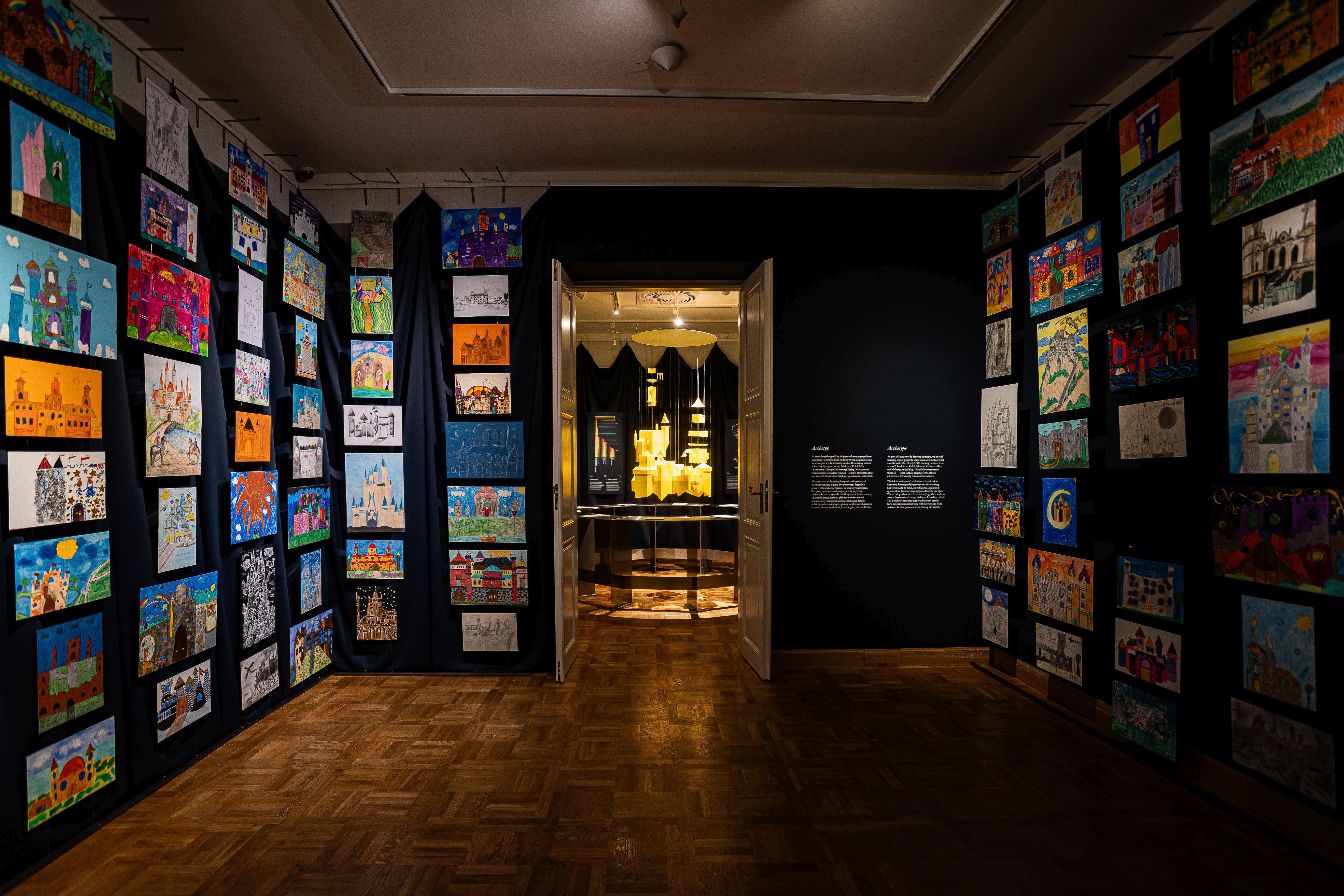
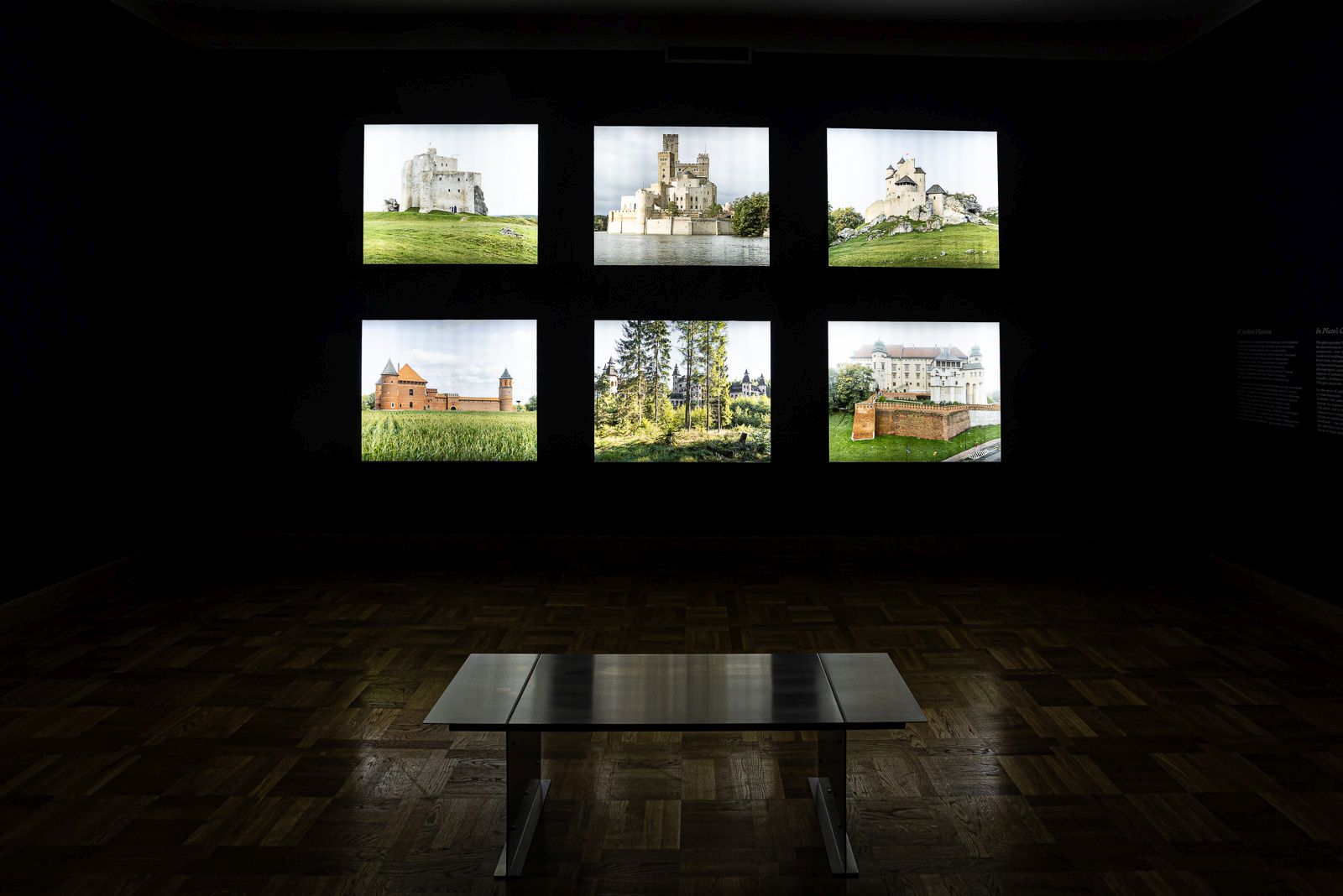
The exhibition The Last Castle. Polish Castle-ness: From Wawel to Stobnica presents contemporary interpretations of castle architecture in Poland. It is grounded in the concept of “castle-ness” - a cultural image of the castle that exists independently of authenticity or original function. The exhibition features photographs by Nicolas Grospierre that juxtapose historical and contemporary castles; photographic documentation by Marta Ejsmont focusing on their materiality; and a visual lexicon of vernacular defensive architecture by Mateusz Pawlukiewicz. The display also includes scale models, infographics, fragments of architectural designs, and children’s drawings. The exhibition is accompanied by a publication - The Last Castle. Polish Castle-ness: From Wawel to Stobnica - offering a polyphonic reflection on the phenomenon of contemporary Polish castle-ness.
castle-ness, n.
the quality of an architectural object that allows it to be socially recognized as a castle - through its name, form, and setting - regardless of its authenticity, historical accuracy, age, or original function;
adj. castle-like; adv. castle-like
An unsettling surge in castle construction is underway in Poland. Dozens are rising across the country. Existing historic structures are expanding. One reconstruction follows another. Castles are also appearing in places where none existed before. Despite criticism and significant costs, this trend continues to thrive.
My research suggests that Poles are not building castles, but producing castle-ness around themselves. The castle belongs to the realm of architecture and heritage conservation; castle-ness - to the domain of visual narrative. Any structure culturally recognized as a castle becomes castle-like, regardless of its historical authenticity, age, or original function,” says Kuba Snopek, curator of the exhibition.
The exhibition examines Poland’s enduring fascination with the castle, presenting it as a distinct typology at the intersection of architecture and communication. Its original functions - defensive and as a royal residence - have long lost their relevance. What endures, however, is a rich symbolic dimension. A tension emerges between the castle as an anachronistic architectural object and its continued relevance as a medium of cultural expression.
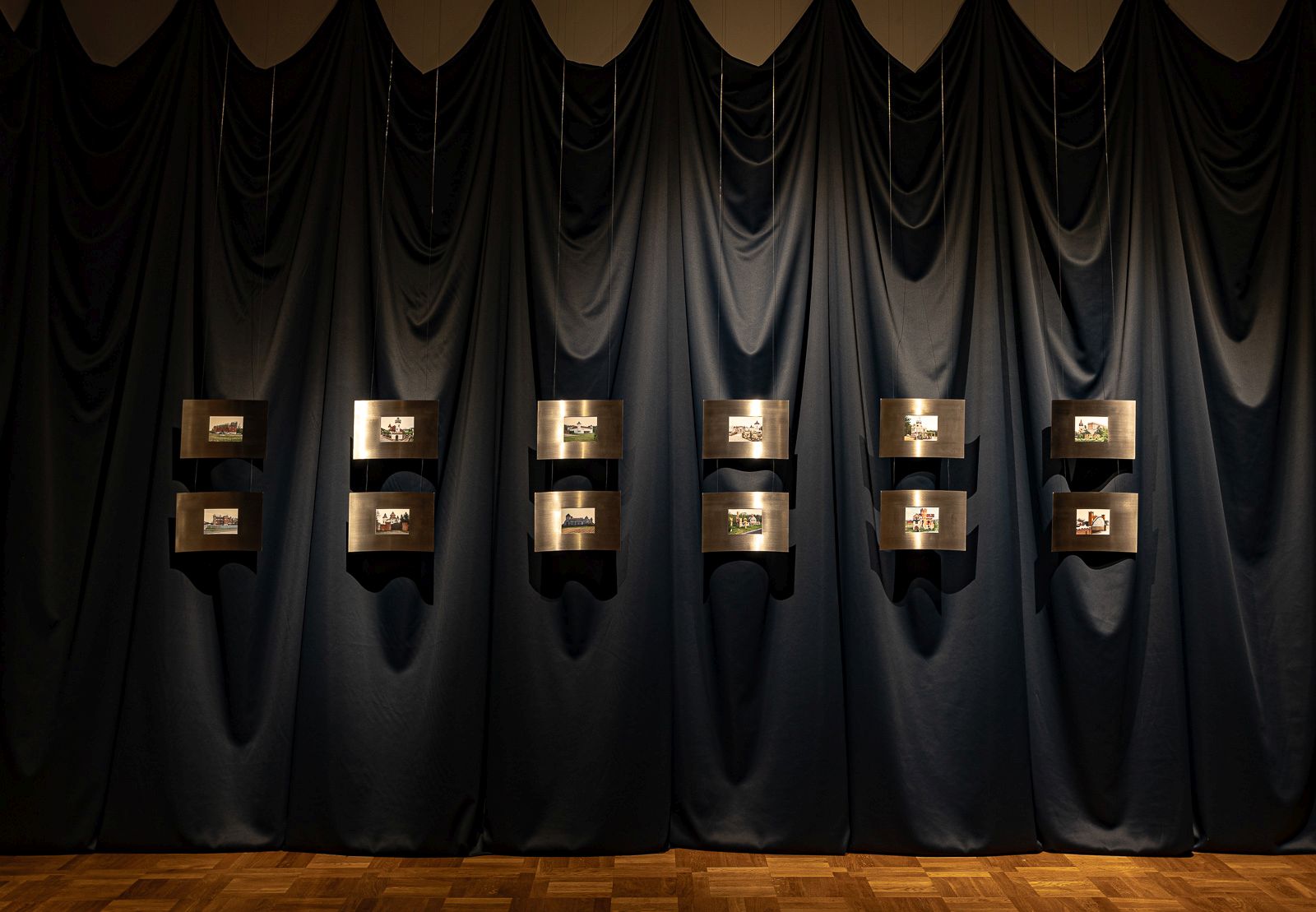
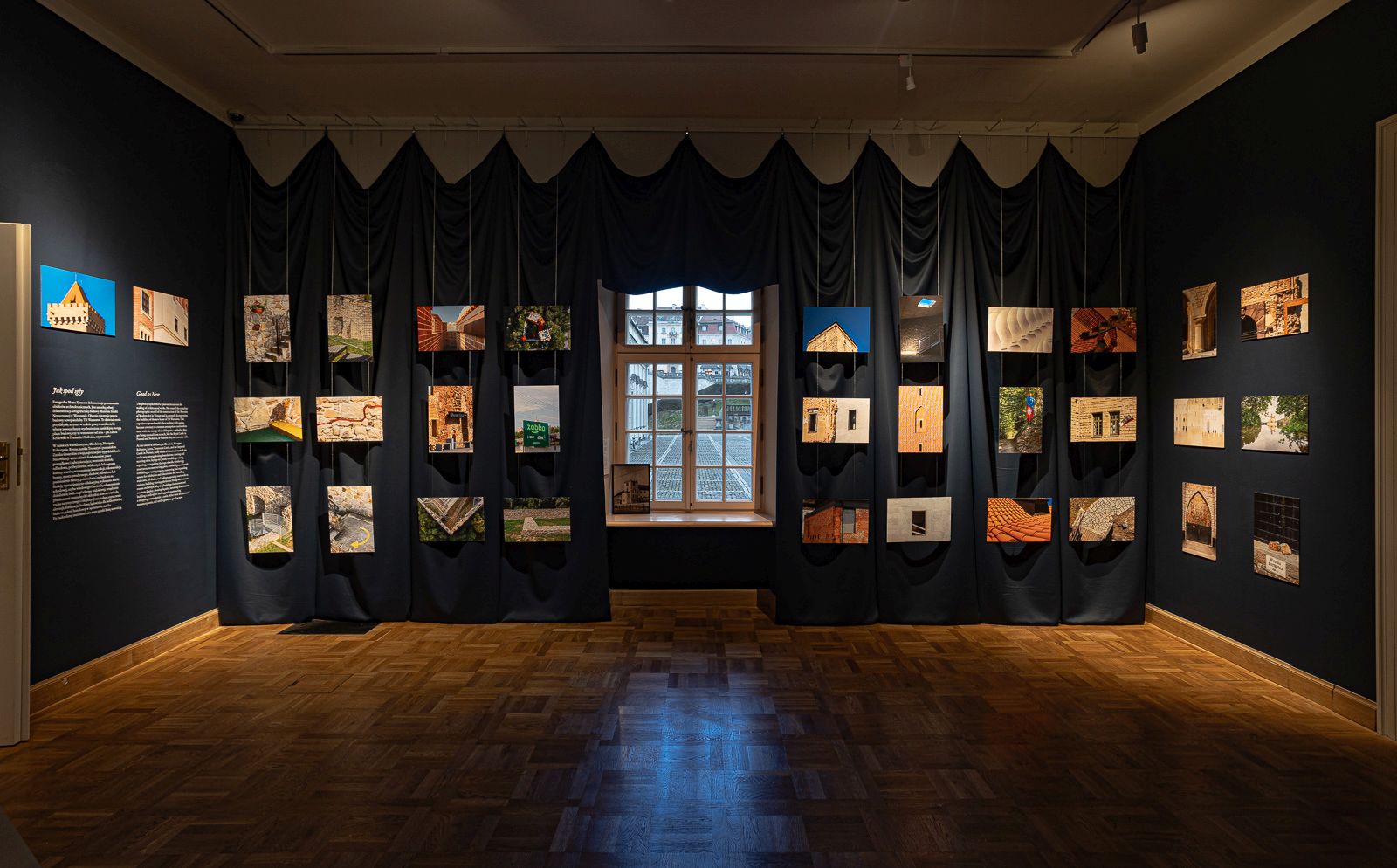
Castle-ness is presented through photography and contemporary art. Modernist photographer Nicolas Grospierre portrays Wawel and Stobnica, the Royal Castle in Warsaw and Bobolice on equal terms, situating the castle within the present. Marta Ejsmont, known for her comprehensive photographic documentation of the construction of the Museum of Modern Art, focuses on the materiality of castles. In her images, historic, restored, and newly built structures alike appear equally new - as if freshly made.
Mateusz Pawlukiewicz presents a visual lexicon of vernacular, grassroots defensive architecture. The exhibition is further complemented by scale models, infographics, fragments of architectural designs, and children’s drawings.
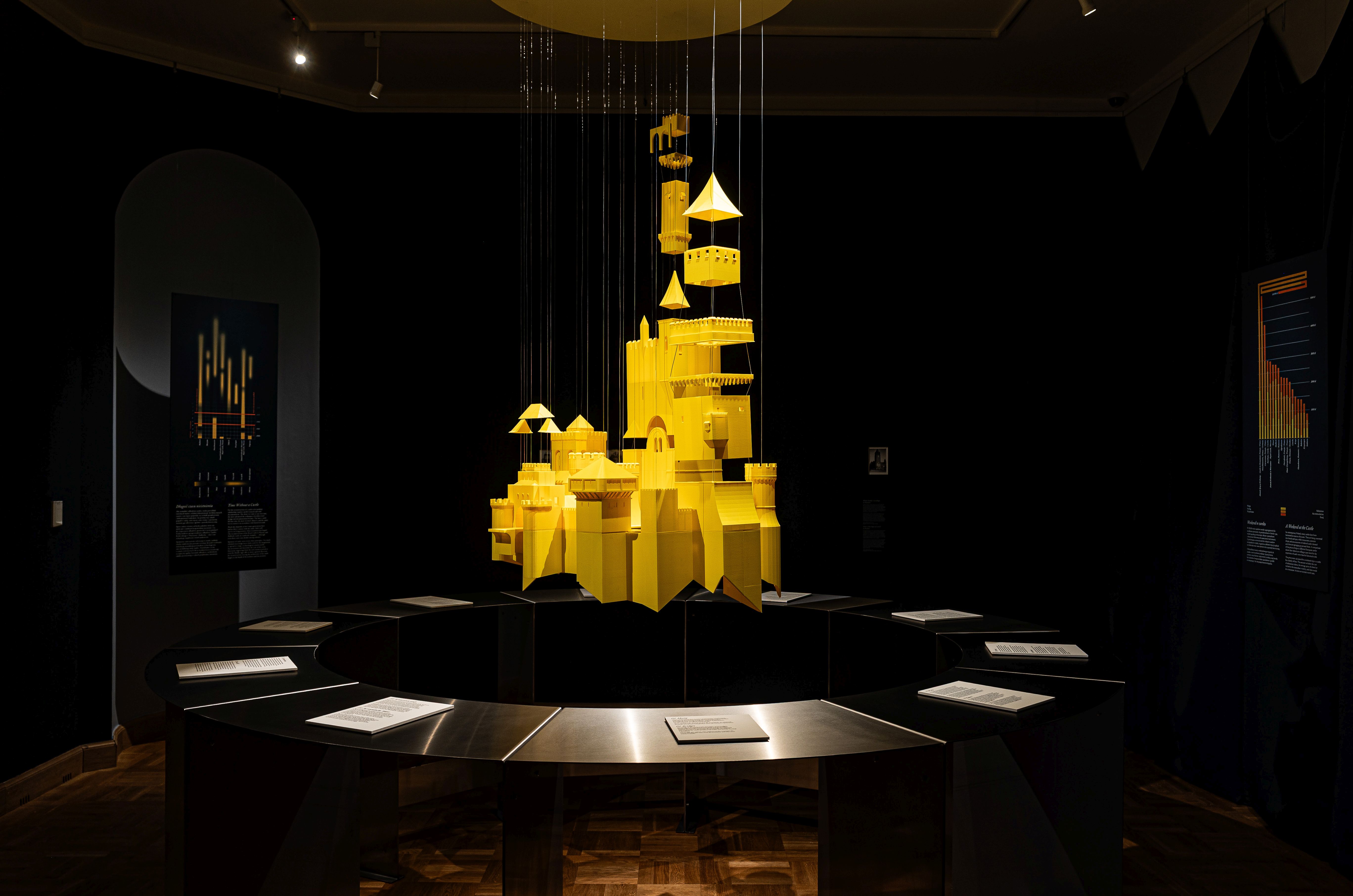
The central element of the exhibition is The Last Castle, an artistic installation created by the independent art-curatorial collective Turnus - founded by Kamila Falęcka and Marcelina Gorczyńska - in collaboration with architect Mariia Kolomiitseva. Turnus operates on the belief that art flourishes in a relaxed, social atmosphere and under favorable conditions. The Last Castle was created in this spirit, guided by the idea: “If everyone is building castles, we might as well do the same.”
The installation proposes a critical reworking of castle-ness. The artists reduce the castle to a recognizable archetype, stripping it of its defining attributes: monumentality, permanence, and symbolic weight. Scaled to human proportions, the castle becomes easier to engage with. It is reduced to a minimum - as if drawn from memory. The structure is light, mobile, transparent, and easy to dismantle or repurpose.
The façade of the castle is covered with paintings by artists invited by the curators - Zuzanna Bartoszek, Wiktoria Kieniksman, Ant Łakomsk, Kuba Stępień, and Paweł Donhöffner Zięba. Although they represent different styles, they are united by a narrative quality. The artists tell their own stories while intervening in spaces occupied by others, completing one another’s sentences. The Last Castle thus becomes polyphonic - a materialization of a dialogue between different visions of the castle archetype.
The exhibition is accompanied by the publication The Last Castle. Polish Castle-ness: From Wawel to Stobnica - a polyphonic reflection on contemporary Polish castle-ness. The publication brings together artists, philosophers, architects, art historians, and cultural critics who examine the castle from multiple perspectives: as a political figure, a symbol of power, an element of the landscape, and a recurring motif in contemporary architecture. Essays, interviews, and photo essays examine both the historical legacy of castles and their contemporary reinterpretations. The publication combines theoretical reflection with visual material, including photographs, architectural documentation, and original projects. Together, they form an attempt to describe the phenomenon of castle-ness - a cultural image of the castle operating in Poland independently of architecture itself. Contributors include Kuba Snopek, Marta Ejsmont, Tomasz Torbus, Dorota Jędruch, Michał Wiśniewski, Alek Hudzik, Nicolas Grospierre, Waldemar Szeszuła, Jakub Majmurek, Mateusz Pawlukiewicz, Piotr Korduba, Tomasz Ratajczak, Katarzyna Uchowicz, Jarosław Trybuś, Małgorzata Chorowska, Hubert Wąsek, Andrzej Leder, and Mariia Kolomiitseva.
Kuba Snopek is the curator of the exhibition and the initiator of The Last Castle. Polish Castle-ness: From Wawel to Stobnica. An urbanist and researcher specializing in the history and theory of 20th-century architecture, he is a graduate of the Strelka Institute and the University of California, Berkeley. From 2018 to 2021, he served as program director of the Kharkiv School of Architecture. He is the author of Belyayevo: A Future Monument (2012), dedicated to the preservation of intangible heritage, and the project Architecture of the Seventh Day (2013 - 2016), a comprehensive study of Catholic church architecture built during the communist period in Poland.
In connection with the exhibition, a program of curator-led and expert-led tours has also been developed, including guided visits with members of the Turnus collective.